
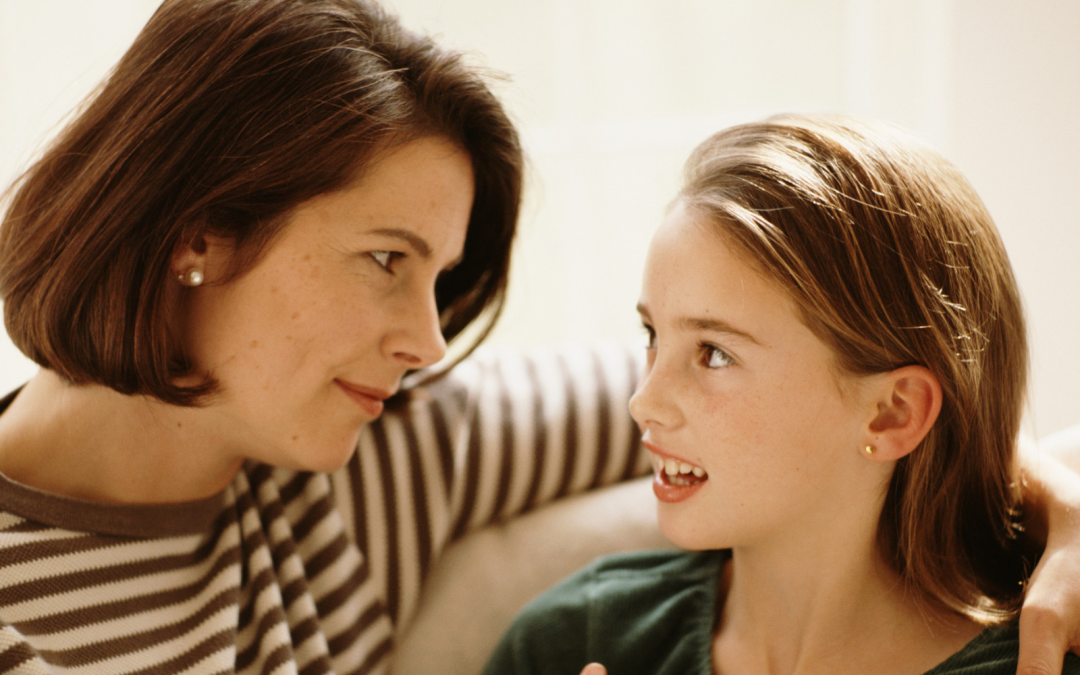
Parenting is a journey filled with moments of joy, learning, and, at times, overwhelming frustration. Children test limits, express big emotions, and challenge authority—not out of defiance, but as part of their development. In these moments, the way we respond as parents can shape not only our children’s behavior but also their emotional well-being. Nonviolent dialogue, grounded in patience, self-control, and empathy, is a powerful tool to foster respect and understanding in parent-child relationships.
The Power of Words in Parenting
Many parents were raised with the belief that authority is established through strict discipline, raised voices, or even punishment. However, research in psychology and child development consistently shows that respectful communication is far more effective in building trust and cooperation. When children are met with harsh words or shouting, their brains perceive it as a threat, triggering a defensive response rather than understanding. Conversely, when parents engage in calm and constructive dialogue, children feel safe, heard, and respected—making them more likely to respond positively.
Nonviolent dialogue does not mean ignoring boundaries or avoiding difficult conversations. It means communicating with intentionality, choosing words that guide rather than punish, and practicing self-control when emotions run high.
Self-Control: A Parent’s Superpower
Parenting is emotionally demanding. Sleepless nights, long days, and the constant responsibility of raising children can make it easy to react impulsively. However, learning to regulate one’s emotions is crucial. When we, as parents, lose our temper, we model behavior that our children will likely imitate. Instead, pausing before reacting—taking a deep breath, counting to ten, or stepping away for a moment—can prevent unnecessary conflicts and foster an environment of mutual respect.
Self-control allows parents to respond instead of react. This subtle but crucial distinction can be the difference between a child feeling attacked versus feeling guided. By maintaining composure, we demonstrate to our children that emotions, even strong ones, can be managed in a healthy way.
Empathy: The Heart of Connection
Empathy is the ability to understand and share another person’s feelings. For children, knowing their emotions are validated creates a sense of security and strengthens their connection with their parents. Instead of dismissing their frustrations with statements like “Stop crying!” or “You’re overreacting,” acknowledging their emotions—“I see that you’re upset. Can you tell me what’s bothering you?”—helps children feel heard and understood.
When children feel respected in their emotional experiences, they develop the ability to extend that same respect and understanding to others. They learn conflict resolution, patience, and emotional intelligence—skills that will serve them well throughout life.
Mental Health and the Long-Term Benefits of Nonviolent Dialogue
The way children are spoken to in their formative years influences their self-esteem, resilience, and emotional health. A household that values nonviolent dialogue fosters a sense of security, reducing stress and anxiety in children. Feeling consistently heard and respected at home also encourages children to communicate openly about their struggles, making them less likely to internalize emotions that could contribute to mental health challenges later in life.
For parents, practicing self-control and empathetic communication can also improve their own mental well-being. Rather than carrying guilt from explosive reactions or constant power struggles, parents who approach conversations with patience and respect often experience stronger, more fulfilling relationships with their children.
Practical Steps for Nonviolent Dialogue
- Pause Before Reacting: Take a deep breath before responding to your child, especially in heated moments.
- Use “I” Statements: Instead of saying, “You never listen,” try “I feel frustrated when I have to repeat myself.”
- Validate Feelings: Acknowledge your child’s emotions even if you don’t agree with their perspective.
- Model Calmness: Show your child how to navigate emotions with composure and patience.
- Encourage Open Dialogue: Create a safe space where your child feels comfortable sharing their thoughts and feelings.
Final Thoughts
Parenting with nonviolent dialogue is not about perfection—it’s about progress. There will be moments when patience wears thin and frustration takes over. The key is to recognize these moments, reset, and try again. Every time we choose self-control over reaction, empathy over dismissal, and respect over dominance, we build stronger, healthier relationships with our children.
At Possmozer Mental Health, we believe that the foundation of emotional well-being begins in the home. By fostering respectful and empathetic communication with our children, we not only nurture their mental health but also create a legacy of love and understanding for generations to come.