
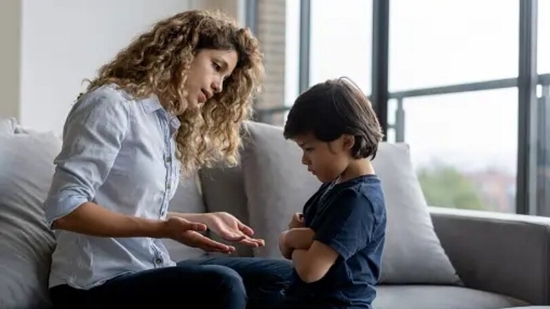
In the complex journey of parenthood, mistakes are inevitable. We lose our temper. We overreact. We make unfair assumptions. And sometimes, we say things we wish we hadn’t. These moments are hard—hard on our children, but often even harder on ourselves. For many parents, the instinct is to push forward, to gloss over the discomfort, or to rationalize our behavior with the weight of responsibility we carry. But what if, instead, we chose to stop, breathe, and say: “I’m sorry.”
Apologizing to our children doesn’t diminish our authority. On the contrary, it deepens the bond of trust and teaches one of the most valuable life lessons: the strength in vulnerability. Recognizing a mistake and expressing a sincere desire to make things right shows children that everyone—including the people they look up to most—are human, capable of error, growth, and change.
Why Is It So Hard to Apologize as a Parent?
Many of us grew up in homes where parents rarely, if ever, admitted wrongdoing. The old model of parenting positioned the adult as the unquestionable authority, and apologies were seen as a sign of weakness or a challenge to control. Today, we know better. Emotional intelligence, empathy, and humility are not threats—they are the foundations of meaningful relationships.
Still, even knowing this, apologizing can feel uncomfortable. Parents often struggle with guilt, fear of losing respect, or the worry that they’re not doing “enough.” But these very emotions can be a powerful compass, guiding us toward moments of connection and repair.
What Happens When We Apologize
When a parent apologizes to a child, several important things happen:
1. We model accountability. Children learn not just from what we say, but from what we do. When we admit mistakes, we teach them to do the same.
2. We create safety. A child who sees that mistakes don’t break relationships feels safer to be honest and open.
3. We build emotional resilience. Owning up to hard feelings—frustration, sadness, regret—shows children that emotions are valid and manageable.
A sincere apology sounds like, “I was wrong to yell. I was frustrated, but that doesn’t make it okay to raise my voice. I’m really sorry. I’ll try to handle it better next time.” This doesn’t just heal the moment—it sets a tone for a relationship built on mutual respect.
Starting Over, Together
Parenting is not about being perfect. It’s about being present. It’s about showing up—even when we mess up. Saying “I’m sorry” is not a step backward. It’s a courageous step toward growth, for both parent and child.
At Possmozer Mental Health, we believe that recognizing our emotional patterns, even the painful or uncomfortable ones, is part of building healthier family dynamics. Giving yourself permission to make mistakes, feel the feelings, and repair the rupture is an act of strength—not failure.
So next time you catch yourself in a moment you wish you could undo, remember: you can’t always take it back, but you can take responsibility. And in doing so, you invite your child to do the same. That’s not weakness. That’s wisdom.