
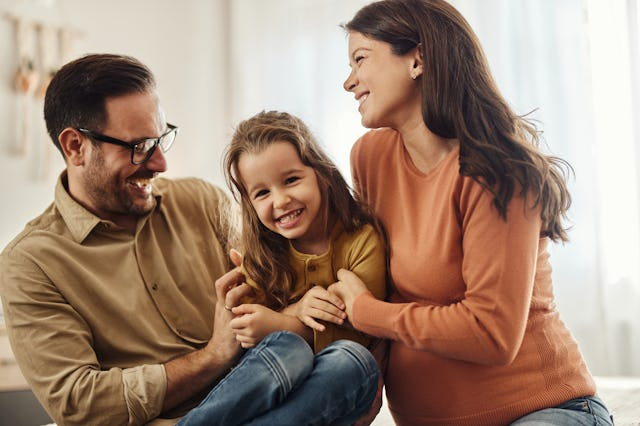
In today’s society, family life comes in many forms. Some couples choose to build their lives together without having children, while others embrace the role of parenthood. Both paths can lead to fulfilling, meaningful lives, but they offer distinct experiences—especially when it comes to how a couple grows, adapts, and finds purpose.
The difference between families with kids and families without them is not just about daily routines or household noise levels. It runs deeper—shaping emotional resilience, relationship dynamics, and long-term priorities.
A Life Without Children: More Freedom, Less Chaos
Couples without children often enjoy more flexibility. They may travel on a whim, pursue demanding careers without the constant juggle of daycare pickups, and maintain an uninterrupted focus on their personal goals. Their homes tend to be quieter, their schedules more predictable, and their financial burdens often lighter.
Without the responsibilities of parenting, these couples may invest more in their relationship, friendships, and self-care. They may experience less stress related to parenting challenges, and more opportunities for spontaneous connection and leisure.
Families With Children: A Beautifully Complicated Journey
In contrast, couples with children face a world of both joy and mess. From sleepless nights with newborns to helping with homework and teenage growing pains, raising children demands constant effort and emotional strength.
But here’s the heart of the story: children can become a powerful force of unity between couples.
Raising a child requires teamwork. Parents often grow closer through the shared experience of nurturing a tiny human into adulthood. They celebrate milestones together, navigate challenges side by side, and discover new layers of patience, compassion, and resilience. In the process, their bond often deepens in ways that can only come through shared sacrifice and mutual devotion.
Children as a Mirror and a Mission
Children not only change what a couple does—they change who a couple becomes. Through their eyes, parents see the world anew. Through their needs, parents are stretched to become better listeners, stronger problem-solvers, and more generous people.
Kids bring laughter, surprise, and spontaneity. They break routines and force adults to re-examine their values. While it’s true that parenthood can add stress, it also brings purpose. Many parents say that their children give their marriage new meaning, turning their love into legacy.
The Reflection: Love That Grows Through Giving
Not every couple is called to have children, and that’s okay. A family without kids is still a family. But for those who do choose the parenting path, children often become the soul of the home.
They remind couples why they fell in love in the first place. They challenge their parents to grow, forgive, and dream bigger. In the laughter of a child, many couples rediscover the lightness of life—and in their struggles, they find strength in one another.
Children do not make a marriage easier. But they often make it richer, deeper, and more enduring.
As we reflect on the different forms families can take, one thing remains clear: love—whether shared in silence or shouted across a playroom—is what makes a house a home. But when that love expands to include children, it often transforms from a private partnership into a legacy of hope, laughter, and growth.
Ellem Possmozer is a clinic psychologist at Possmozer Mental Health, specializing in family and individual therapy. For more resources and support, visit Possmozer Mental Health – www.possmozer.com